

Permanent Hair Restoration – Planned Around What Will Still Look Right in 10 Years
A hair transplant done well is one you can’t tell happened. The hairline looks like it belongs there, the density is natural, and it ages proportionally with your face. A transplant done poorly is the opposite, and it’s difficult to correct afterward.
At Sure Skin Clinic, transplant planning starts before a single graft is extracted. Dr. Suresh evaluates your pattern of hair loss, donor area quality, age, and the likely progression of future hair fall because the hairline designed today needs to make sense a decade from now, not just on the day of surgery. Some patients are strong candidates for a transplant immediately. Others benefit more from medical treatment or PRP first to stabilize ongoing loss before surgery makes sense.
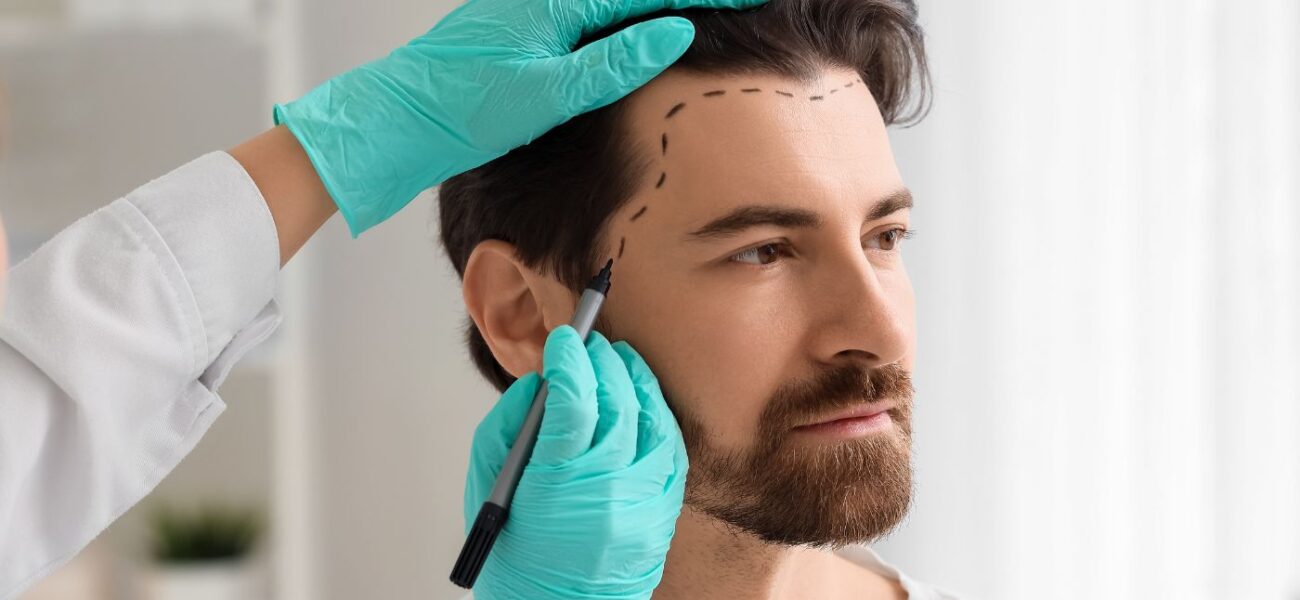
Hairline Design First
Your hairline is designed before anything else — shaped around your face, your age, and how hair loss is likely to progress. The result needs to look natural not just today, but decades from now.
FUE Technique: No Linear Scar
Individual follicular units are extracted and implanted. No strip incision, faster healing, and natural-looking density when planned properly.
Honest candidacy assessment
Not every patient is a good candidate. Dr. Suresh tells you clearly whether transplant is the right step or whether medical treatment makes more sense.
Realistic Timeline Given Upfront
Visible results usually take 6–12 months. You'll know exactly what to expect at each stage before the procedure begins completely.
What Hair Transplant Covers
Transplant planning is tailored to the pattern of loss, donor density, and the number of grafts needed to achieve a natural result. Not every case is the same; the plan reflects your specific situation.
The Procedure and What Recovery Actually Looks Like
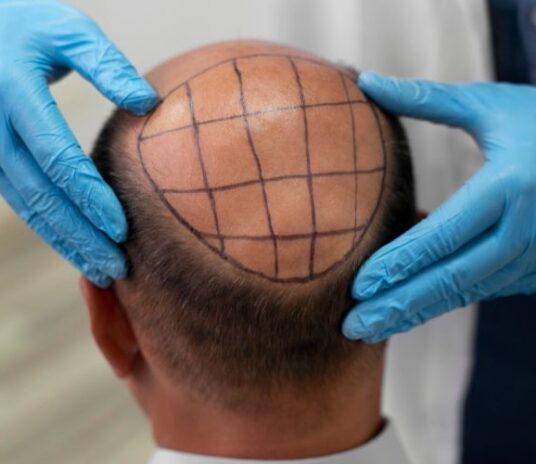
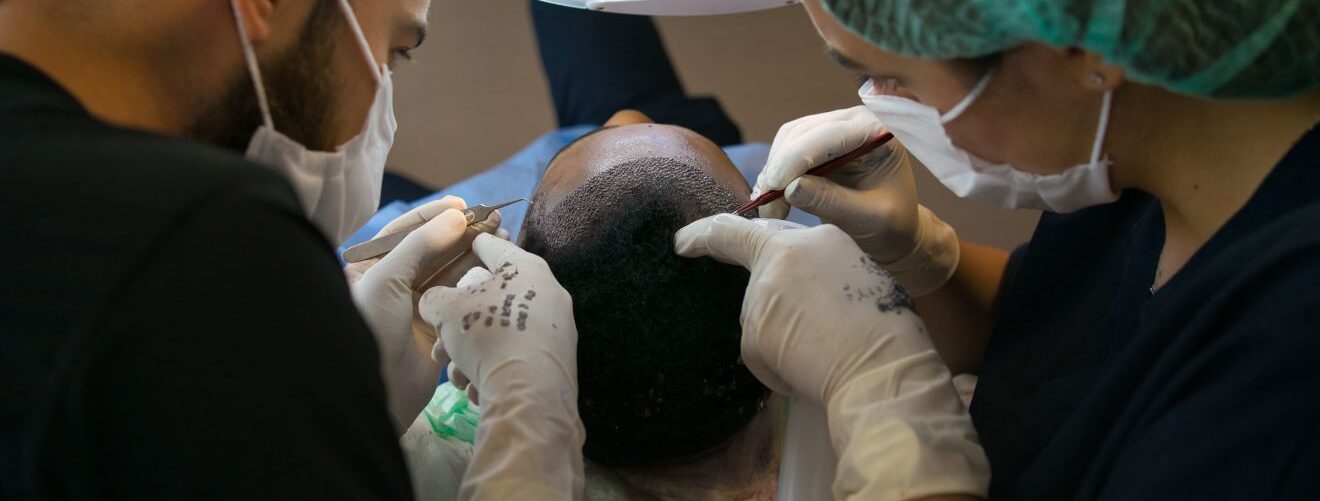
The procedure itself is done under local anesthesia in a single day, with the number of sessions depending on graft count. The hairline is mapped first; this is the most important step and the one that most determines whether the result looks natural or artificial. Follicles are then extracted from the donor area at the back of the scalp, prepared, and implanted one by one into thinning areas with careful control of angle and direction.
Recovery follows a predictable pattern. The first week involves mild swelling, small scabs around the grafts, and some sensitivity, all of which should settle. Transplanted hairs usually shed at 2–4 weeks, which is normal and expected. New growth begins around 3–4 months and builds progressively. Meaningful density improvement is visible by 6 months; full maturation is closer to 12 months. Patience is a genuine requirement; results don’t arrive quickly, but when they do, they’re permanent.
Frequently Asked Questions
Discover personalied care & expertise at our clinic, where we blend artistry and pervision to enhance you confidence.