 6:30 PM - 9:00 PM

Small Procedures – Done Properly, With the Right Assessment First
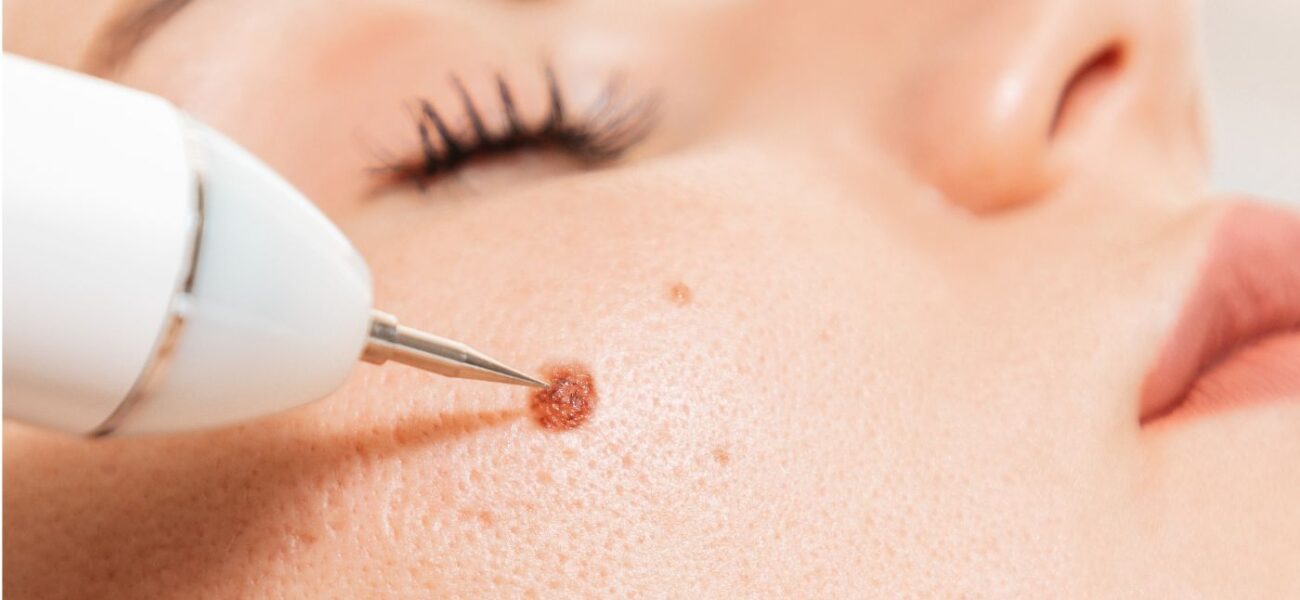
Warts, skin tags, and moles are common and usually harmless, but not every growth is what it appears to be on the surface. Before any removal, a proper clinical assessment matters. Some lesions that look like ordinary skin tags have features that warrant closer examination with a dermatoscope before proceeding. Most don’t, but skipping the assessment to save time is the part that occasionally causes a problem.
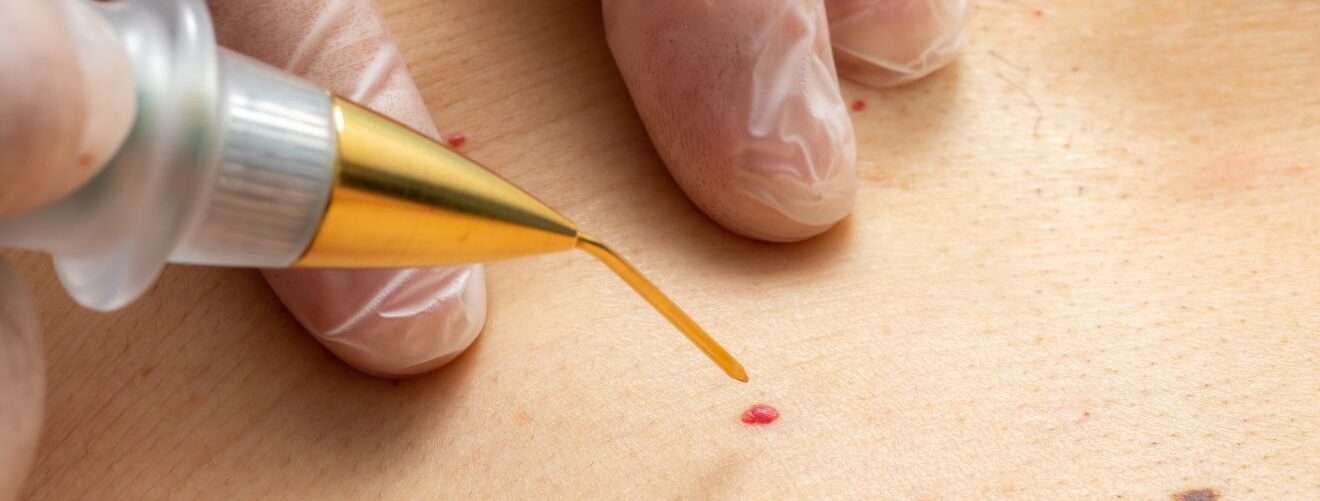
At Sure Skin Clinic, most wart and skin tag removals are straightforward procedures done in a single visit, often the same day as the consultation. Dr. Suresh uses cryotherapy, electrocautery, or laser depending on the size, location, and type of lesion. Moles and pigmented lesions are assessed with dermoscopy first, and if anything warrants a biopsy, that’s done in-clinic.
Assessment Before Removal
Every lesion is clinically examined before removal. Moles and pigmented growths are assessed with dermoscopy, not removed without evaluation.
Same-Day Removal
Most warts, skin tags, and benign lesions can be removed safely in the same visit after assessment. No separate procedure appointment needed.
Right Method for Each Lesion
Cryotherapy, electrocautery, or laser is selected based on lesion type, size, and location, not a one-method approach.
Biopsy Available In-Clinic
If a mole or lesion needs proper pathological assessment, the biopsy is done here itself; no external referral or additional clinic visit is required for further evaluation and diagnosis.
Lesions We Remove & Assess
Most are benign and straightforward. The ones that need closer examination are identified at assessment and managed appropriately from there.
Mole Checks – When to Get One and What It Involves
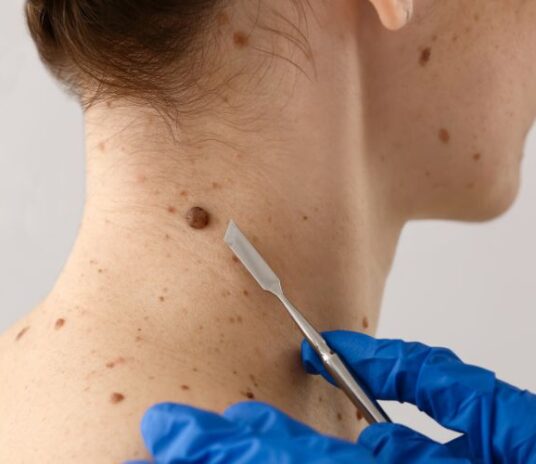
Most moles are benign and require no treatment. The ones worth examining are those that have changed in size, shape, or color; that itch; that bleed without cause; or that simply look different from the surrounding moles. The ABCDE guide (Asymmetry, Border, Color, Diameter, Evolution) gives a useful starting framework, but dermoscopy gives a far more detailed picture than visual inspection alone.
Dr. Suresh uses a clinical dermoscope to examine suspicious lesions in detail. In the majority of cases, the assessment is reassuring, and no further action is needed. Where features warrant further investigation, a biopsy is done in-clinic under local anesthesia, a brief procedure that takes a few minutes and causes minimal discomfort. Results typically come back within 1–2 weeks. Early detection of melanoma and other skin cancers makes a significant difference to outcomes; a mole check is 15 minutes well spent.
Wart Removal
Frequently Asked Questions
Discover personalied care & expertise at our clinic, where we blend artistry and pervision to enhance you confidence.