 6:30 PM - 9:00 PM

Clearer, Smoother Skin, Without Aggressive Intervention
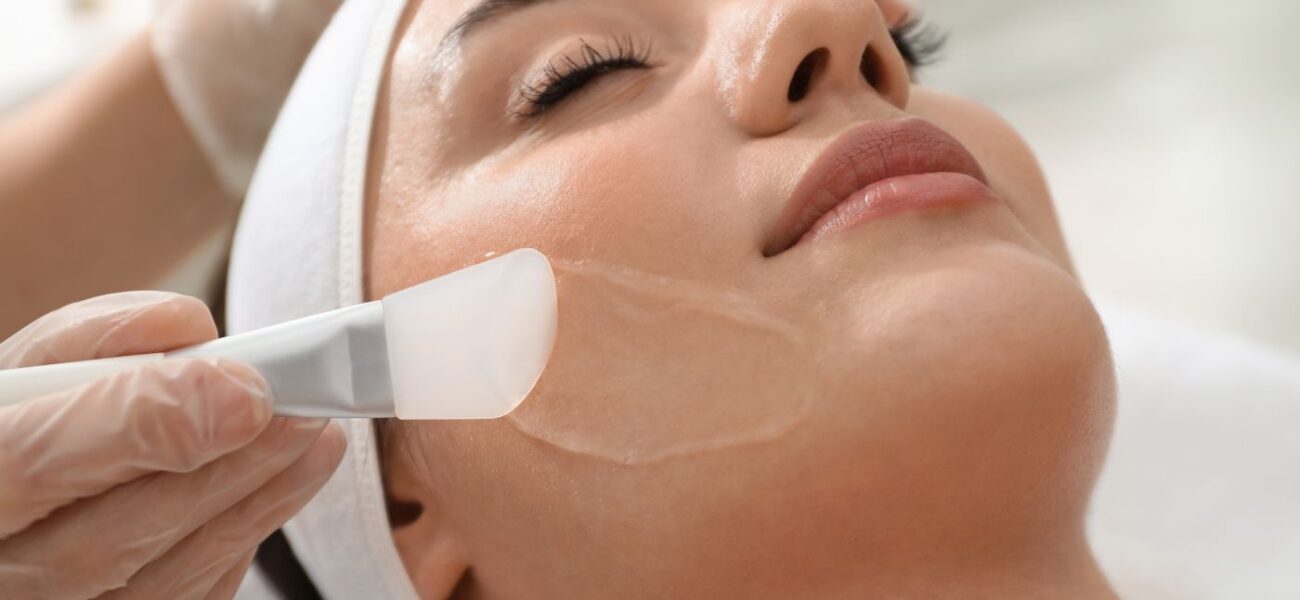
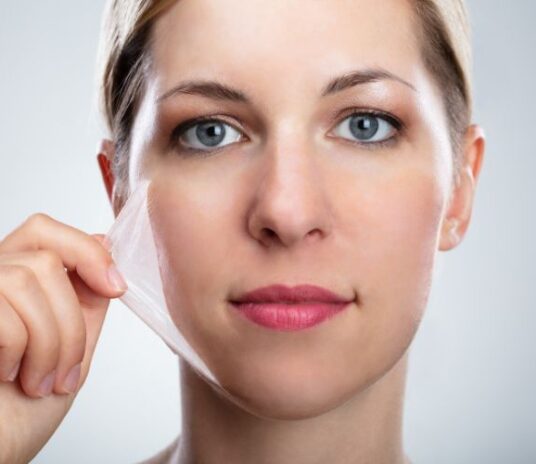
Skin that looks healthy usually looks that way because the texture is smoother, the tone is more even, and the surface is clearer, not because it’s been bleached or artificially brightened. Chemical peels and skin rejuvenation treatments work by removing damaged outer layers in a controlled way, allowing healthier skin to surface and the skin’s own repair process to improve tone and texture over time.
At Sure Skin Clinic, peel selection is based on your skin type, the specific concern being treated, and how much downtime you can tolerate. A medium-depth peel applied to sensitive skin that isn’t ready for it creates more problems than it solves. The treatment is medical; the concentration, application, and post-care are quite different from what a salon describes as a facial peel.
Peel Depth Matched to Your Skin
A superficial, medium, or combination peel chosen based on your skin type, concern, and sensitivity, not a standard menu option.
Suited for Indian Skin Tones
Peel strength and formulation are selected carefully, overly aggressive peels on higher-melanin skin can temporarily worsen pigmentation.
Combined With Laser Where Needed
Peels are often used alongside laser treatment or acne management for significantly better and faster results than either alone.
Aftercare Is Part of the Plan
Sun protection post-peel is absolutely non-negotiable, particularly in Chennai. It directly determines how well results hold long-term.
What Chemical Peels Can Improve
Peels are used for a range of concerns, both as a standalone treatment and as part of a broader plan alongside laser or medical dermatology.
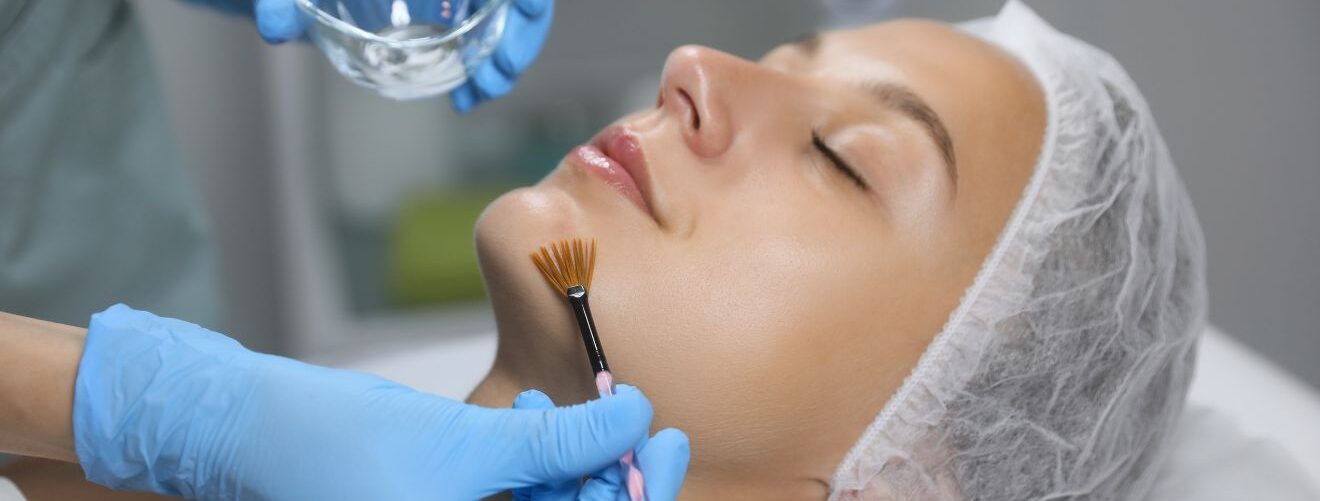
CO₂ Laser Resurfacing – When Peels Need to Go Deeper
For more significant texture problems: acne scars, enlarged pores, deeper pigmentation, or early skin laxity, CO₂ laser resurfacing takes the approach further than a chemical peel can. The laser removes the outer skin layer with precision and stimulates collagen remodeling underneath. As the skin heals over the following weeks, texture smooths, scar depth reduces, and pore size decreases visibly.
Recovery after CO₂ resurfacing involves a few days of redness and mild peeling; the skin is sensitive during this period, and sun exposure needs to be avoided completely. Most patients see gradual improvement continuing for several weeks after the procedure as the collagen response builds. The result is more significant than peels for the right indications, which is why the two treatments serve different purposes rather than replacing each other.
Frequently Asked Questions
Discover personalied care & expertise at our clinic, where we blend artistry and pervision to enhance you confidence.